
How Greggs Keeps Prices So Affordable (2026 Guide)
How does Greggs keep its prices so affordable when so much else on the high street keeps getting more expensive? The short answer is that Greggs combines a simple, focused menu, very large scale, takeaway pricing, and meal deals that reward buying food and drink together. The sausage roll is £1.35, the vegan sausage roll is £1.40, a steak bake is £1.85, and the breakfast deal is £3.25 at standard high-street shops for takeaway in 2026. Those prices are not an accident, and they are not a trick. They are the visible result of a way of selling food that keeps costs down and keeps the queue moving.
This guide explains, in plain terms, the customer-facing reasons Greggs can charge those prices, what can make your bill higher in London, at airports and stations, and when eating in, and how to use meal deals and the menu to keep your own order affordable. Prices here are standard-tier UK high-street takeaway prices from the verified menu data used on this site. Prices vary by store. This site is not affiliated with Greggs. Greggs has confirmed no further price rises are planned for 2026, after rises earlier in the year, but always check the shelf price in your local shop on the day.
The Short Answer: Scale, Simplicity, Takeaway Focus and Meal Deals
Greggs is one of the largest bakery chains in the UK, with around 2,700 shops or more. A business of that size can buy ingredients in very large quantities, bake and prepare food in a standardised way across hundreds of shops, and spread fixed costs, such as shop fit-outs, systems and distribution, across a huge number of sales. That does not mean every item is cheap to make, and it does not mean Greggs never raises prices. It does mean that the cost of each sausage roll, bake or sandwich can be kept lower than it would be for a small, single-shop bakery selling the same items in small numbers.
Scale alone does not explain the prices, though. The menu itself is deliberately focused. Greggs sells a tight range of bakes, rolls, baguettes, sandwiches, hot food, sweet treats and drinks, rather than a sprawling menu that changes every week. A focused menu is simpler to run in a busy shop: staff learn it quickly, waste is easier to control, and the most popular items can be made in the volumes that keep them fresh and available. For the shopper, that focus shows up as a menu you can learn by heart, a queue that moves quickly, and prices that stay low because the shop is not carrying the cost of dozens of slow-selling lines.
Scale: Why Selling Millions of the Same Items Helps
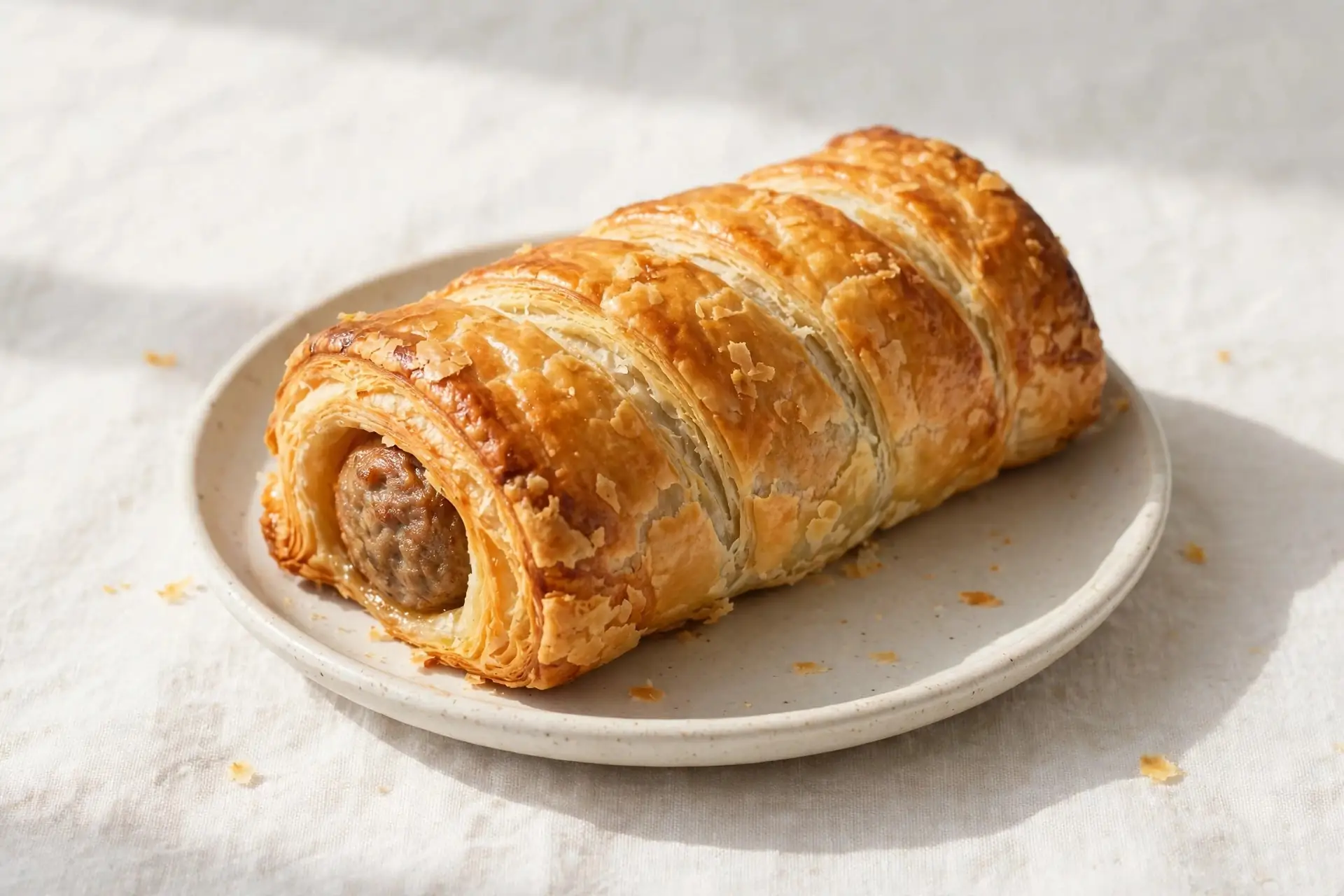
Think about the sausage roll. At £1.35, it is the item most people associate with Greggs, and it is sold in huge numbers every day across the country. When a single item sells at that volume, small savings on each one add up to very large savings overall. The same logic applies to the vegan sausage roll at £1.40, the steak bake and chicken bake at £1.85 each, and the breakfast rolls from £2.20. These are not niche products. They are core lines that almost every shop sells, every day, in quantity.
Standardisation keeps the range consistent
Walk into a Greggs in Leeds, Bristol or Glasgow and the core menu will look familiar. That consistency is part of the affordability story. A standard menu means standard recipes, standard portions and standard prices at standard-tier shops, which makes it easier to plan, to train staff, and to keep quality consistent. It also means shoppers know what they are getting before they join the queue, which keeps decision time short and the queue moving. A fast queue matters, because a busy high-street shop needs to serve many customers in the morning and lunchtime peaks, and every minute saved is a minute that can be spent serving the next customer.
Volume and freshness work together
High volume also helps freshness. Items that sell quickly do not sit around, which means less food is wasted at the end of the day. Waste is a real cost for any food business, and a shop that regularly throws food away has to recover that cost in the price of the food it does sell. Greggs shops are busy, and the most popular lines turn over quickly, which helps keep waste down on those lines. That is one of the less visible reasons the core range can stay affordable, and it is why the most popular items are also the ones most likely to sell out at peak times. If your favourite bake is sold out, it is often a sign of that same high turnover, not a sign that the shop ordered too little on purpose.
A Simple, Focused Menu: Fewer Lines, Faster Service
Compare the Greggs menu with a large cafe menu that offers dozens of cooked breakfasts, salads, cakes and hot meals, each with many variations. The Greggs menu is narrower by design. Savouries and bakes, breakfast rolls and baguettes, cold sandwiches and baguettes, hot food, sweet treats, and hot and cold drinks cover most of what a high-street shopper wants for breakfast, lunch or a snack, without trying to be a full restaurant.
That focus has a direct effect on price. Fewer lines mean fewer ingredients to stock, simpler preparation, and less time spent switching between very different dishes. It also means the shop can focus on getting the core lines right: a sausage roll that is consistent, a steak bake that is hot and fresh, a breakfast roll that can be made quickly at 7am. For a full view of how the range fits together, see the Greggs menu prices homepage, where the full menu lives, and our Greggs Breakfast Menu guide for the morning range in detail.
Seasonal lines add interest without changing the core
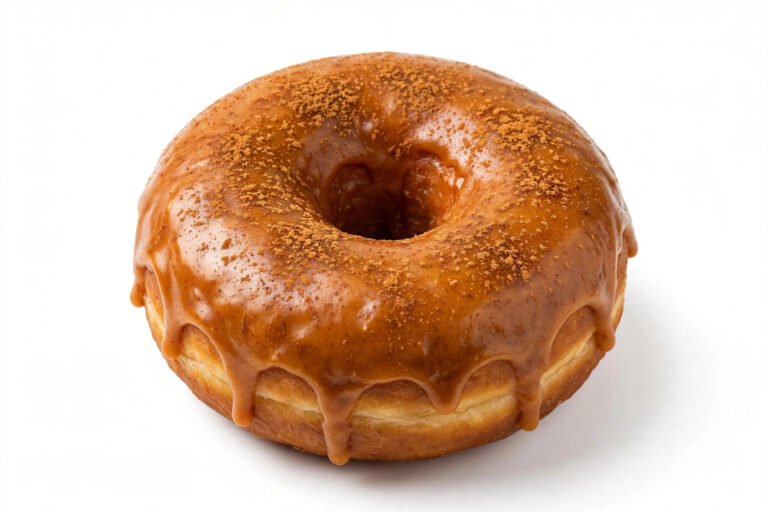
Greggs does add seasonal and limited-time items, such as the autumn range, including the Steak and Stilton Bake at £2.50, the Buffalo Pizza slice at £2.70, the Pumpkin Spice Doughnut at £1.50, and the Bonfire Toffee Muffin at £1.65. These lines add interest and give regular customers something new to try, but they sit alongside the core range rather than replacing it. The sausage roll, the steak bake and the breakfast deal are still there, at the same standard prices, while the seasonal lines come and go. That balance lets Greggs refresh the menu without rebuilding it, and it lets shoppers try something new without paying a premium for the whole order.
Takeaway Pricing and VAT: Why Eating In Costs More
One of the most important pricing details on this site is also one of the easiest to miss: the prices quoted here are takeaway prices. Eating in adds 20% VAT, according to the pricing note in the verified menu data. That single difference can change the feel of a bill, especially on a larger order. A takeaway sausage roll at £1.35 is a very different proposition from the same item eaten in, where VAT applies at the standard rate for food consumed on the premises.
This is not unique to Greggs. It is how VAT works for hot takeaway food and food eaten in across the UK, and it is why the takeaway price is the price most shoppers see on the shelf and in the app. If you plan to sit in, budget for the higher eat-in price, and check the till price before you pay. If you are taking food away, the standard prices in this guide are the right reference point, subject to the store tier explained below. The practical tip is simple: if you want the lowest price, take it away. If you want to sit down, expect to pay more, and enjoy the seat for what it is.
Hot food, cold food and the price you see
Shoppers sometimes wonder why a hot bake and a cold sandwich are priced the way they are, and why the same item can seem to cost different amounts in different contexts. The answer is that the price you pay depends on the item, the shop tier, and whether you eat in or take away. The verified data used on this site gives standard-tier takeaway prices, which is the clearest baseline for comparison. Use that baseline to compare items with each other, and then adjust for your shop and for eating in. Do not compare a takeaway price in one shop with an eat-in price in another and conclude that one shop is overcharging. Compare like with like, and the Greggs pricing structure becomes much easier to understand.
Meal Deals: The Other Half of Affordability
Meal deals are the second most important reason Greggs feels affordable, after the low single-item prices themselves. A single item is cheap, but a bundle is often cheaper still, because Greggs rewards you for buying food and drink together. The deals below are from the verified menu data, at standard-tier shops. Always check the deal terms in store, because the exact saving depends on the items you choose and the shop you are in.
- Breakfast Deal — £3.25: any breakfast roll plus a regular hot drink or 250ml orange juice, until 11am. This deal rose from £3.15 to £3.25 in May 2026.
- Sweet Treat + Hot Drink — from £2.85: any pastry or sweet treat plus a regular hot drink.
- Savoury Bake + Hot Drink — from £3.35: any savoury bake plus a regular hot drink.
- Three-Part Breakfast Deal — £4.15: breakfast roll or baguette plus a side and a drink.
- Core Lunch Deal — £4.25: sandwich, baguette or roll plus a snack and a hot or cold drink.
- The Big Deal — from £5.25: any main, including hot or cold items and the steak bake, plus a side and a regular hot or cold drink.
Work through the maths on a typical breakfast to see why the deal matters. A Bacon Breakfast Roll on its own is £2.20, and a regular Americano on its own is £1.80, which is £4.00 separately. The Breakfast Deal at £3.25 for a breakfast roll and a regular hot drink or juice saves 75p on that combination, before you consider that some breakfast rolls cost more than £2.20 on their own. The saving is smaller on the cheapest combinations and larger on the more expensive ones, but the direction is always the same: the deal is designed to be cheaper than buying the items separately. Our money-saving guide works through more of these calculations in How to Get Greggs Even Cheaper: 7 Money-Saving Tips.
Which deal should you choose?
Choose the deal that matches what you actually want to eat, not the deal that looks cheapest in isolation. If you want breakfast and a hot drink before 11am, the Breakfast Deal is the obvious choice. If you want a sweet treat and a coffee in the afternoon, the sweet treat deal from £2.85 is the one to ask for. If you want a full lunch with a snack and a drink, the Core Lunch Deal at £4.25 or The Big Deal from £5.25 will usually beat buying the three parts separately. The most expensive mistake is to buy a deal for items you do not want, just because it is a deal. The cheapest lunch is the one you actually finish, not the one with the biggest headline saving on food you leave uneaten.
Three-Tier Pricing: Why the Same Item Costs More in Some Shops
Greggs does not charge the same price in every shop. The verified data describes three tiers: standard high-street shops charge the lowest prices, city-centre and London branches run 11% to 19% higher, and airport, motorway and train-station franchise stores run 27% to 55% higher. Most shops, around 2,700 or more, are standard-tier, so the prices in this guide are the prices most shoppers will see most of the time. But if you are in central London, at an airport, or at a station, expect to pay more for the same item.
| Item | Standard | City / London | Airport / Franchise |
|---|---|---|---|
| Sausage Roll | £1.35 | About £1.45–£1.55 | £1.85+ |
| Vegan Sausage Roll | £1.40 | About £1.50 | £1.90+ |
| Steak Bake | £1.85 | About £2.05 | £2.45+ |
| Bacon Breakfast Roll | £2.20 | About £2.45 | About £2.95 |
| Regular Latte | £2.40 | About £2.75 | About £3.10 |
| Breakfast Deal | £3.25 | About £4.50 | About £4.95 |
The tier difference reflects higher rents, franchise costs and operating costs in those locations, and it is the reason a sausage roll can be £1.35 in one town and £1.85 or more at an airport. That does not mean the airport shop is charging unfairly for the same product in the same circumstances. It means the circumstances are different: rent, staffing, opening hours and the cost of operating in a transport hub are all higher. For shoppers, the practical lesson is to check the shelf price in the shop you are actually in, rather than assuming the standard price will apply everywhere. Our guide to the London difference explains this in more detail: Why Are Greggs Prices Different in London?
Price Rises in 2026: What Changed, and What Did Not
Greggs did raise prices in early 2026. The sausage roll rose by 5p to £1.35, the regular latte rose by 10p, with sources reporting £2.25 to £2.40, and the breakfast deal rose from £3.15 to £3.25 in May 2026. Those rises were widely reported, and they are reflected in the verified prices used on this site. The regular latte is listed at £2.40 in the most recent menu sources used for the data file, which is the figure used in this guide.
What did not change is just as important. Greggs has confirmed no further price rises are planned for 2026. That does not mean prices can never change again, and it does not mean every shop charges the standard price, but it does mean shoppers can plan around the 2026 prices in this guide with more confidence than they could during a period of repeated rises. If you see a price that looks different from the one in this guide, check whether you are in a London, airport or station shop, whether you are eating in, and whether the item is part of a deal. One of those three explanations usually accounts for the difference.
How to read a price rise fairly
A 5p rise on a £1.30 sausage roll sounds small, and in cash terms it is small, but it is still a rise, and regular customers notice it. The fair way to judge it is to look at the whole order, not just one item. A breakfast deal at £3.25 is still cheaper than buying a £2.20 breakfast roll and a £1.80 Americano separately, even after the deal itself rose by 10p. A steak bake at £1.85 is still one of the cheapest hot savoury options on the high street. Affordability is about the total bill for the food you actually want, not about whether a single price has ever moved. Greggs prices have moved, as most food prices have, but the gap between Greggs and many cafe and sandwich-shop alternatives remains, because the underlying model — scale, simplicity, takeaway focus and deals — has not changed.
How to Keep Your Own Greggs Bill Affordable
Understanding why Greggs is affordable is useful, but using that understanding on your next visit is more useful still. These tips use only verified prices from the menu data, and they work at standard-tier shops for takeaway. Adjust them for London, airport and eat-in prices if those apply to you.
- Use the deal that matches your order. Breakfast Deal £3.25 before 11am, sweet treat deal from £2.85, savoury deal from £3.35. Do not pay separately for items a deal already covers.
- Start with the cheapest core lines. Sausage roll £1.35, vegan sausage roll £1.40, Glazed Ring and Jam Doughnut £1.10 each, regular Americano £1.80, regular tea £1.50. These are the lowest-cost ways to get a hot savoury, a sweet treat, or a hot drink.
- Take away if you can. Eating in adds 20% VAT. Taking food away keeps the bill at the standard takeaway price.
- Check the tier before you budget. If you are in London or at an airport or station, budget 11% to 19% more, or 27% to 55% more, than the standard price. A quick look at the shelf price avoids a surprise at the till.
- Buy the drink with the food. A regular hot drink is £1.80 to £2.50 on its own, depending on the drink, but a deal that includes it is usually cheaper than the drink plus the food bought separately.
- Visit before 11am for breakfast value. The breakfast range, including rolls from £2.20 and the Breakfast Deal at £3.25, is only available until 11am. After 11am, the lunch and hot food ranges take over, and the breakfast deal no longer applies.
For more detail on saving money, including app offers and Too Good To Go, see the money-saving guide linked above. For breakfast specifically, the Greggs breakfast menu page lists the full morning range with prices, and the opening times and breakfast cut-off guide explains when breakfast ends and how to check your local shop’s hours.
What Affordable Does Not Mean
Affordable does not mean free, and it does not mean the same price everywhere. It means that, for the food and drink on offer, the price is low compared with many alternatives, and the gap is explained by scale, simplicity, takeaway pricing and deals rather than by cutting the range down to nothing. Greggs still charges more in London and at airports, still charges more for eating in, and still raises prices from time to time, as it did in early 2026. Those are not contradictions. They are the limits of the affordability story, and understanding them helps you avoid the two most common disappointments: expecting a standard price in a franchise shop, and expecting a takeaway price when you sit in.
Affordable also does not mean every item is the cheapest possible version of itself. A steak bake at £1.85 is affordable for a hot, filled bake, but a Glazed Ring Doughnut at £1.10 is cheaper still, and a regular tea at £1.50 is cheaper than a large caramel latte at £3.60. The menu gives you a ladder of prices, from £1.10 to over £4.00 for individual items, and from £2.85 for a deal to £5.25 or more for a larger deal. Your job as a shopper is to choose the rung that matches your appetite and your budget, not to assume that everything on the menu costs the same. The full ladder is on the Greggs menu prices homepage.
Frequently Asked Questions About Greggs Prices
Why is Greggs so cheap compared with cafes?
Greggs combines very large scale, a simple focused menu, takeaway pricing, and meal deals that bundle food and drink. Those factors keep the cost of each item lower than a small cafe selling a wider menu in smaller volumes. Prices still vary by shop tier and by eating in or taking away.
Why do Greggs prices vary by shop?
Greggs uses three pricing tiers. Standard high-street shops charge the lowest prices. City-centre and London shops run 11% to 19% higher, and airport, motorway and station franchise shops run 27% to 55% higher, reflecting higher rents and operating costs. Eating in also adds 20% VAT.
Will Greggs prices rise again in 2026?
Greggs raised prices in early 2026, including the sausage roll to £1.35 and the breakfast deal to £3.25, and has confirmed no further price rises are planned for 2026. Always check the shelf price in your local shop, because tier and eat-in differences still apply.
What is the cheapest Greggs meal deal?
The cheapest deal in the verified data is the sweet treat plus hot drink deal from £2.85. The Breakfast Deal at £3.25 is the cheapest breakfast deal, and the savoury bake plus hot drink deal starts from £3.35. The exact saving depends on the items and the shop.
Is it cheaper to eat in or take away at Greggs?
Takeaway is cheaper. Eating in adds 20% VAT, so the same order costs more if you eat it in the shop. If you want the lowest price, take your food away.
Plan Your Next Order Around the Deal, Not Just the Item
The next time you visit Greggs, start with the deal, not just the single item. If it is before 11am, check the Breakfast Deal at £3.25. If you want a coffee and a treat, check the sweet treat deal from £2.85. If you want lunch, compare the Core Lunch Deal at £4.25 and The Big Deal from £5.25 with the cost of the parts bought separately. Use the full Greggs menu to plan before you go, check the shelf price in your shop, and remember that prices vary by store and that this site is not affiliated with Greggs. That approach keeps the bill affordable without giving up the food you actually wanted, which is the whole point of a menu that is built around scale, simplicity and deals.
One Comment